Why Personalized Learning Is the Future of Education (And How to Get Started)
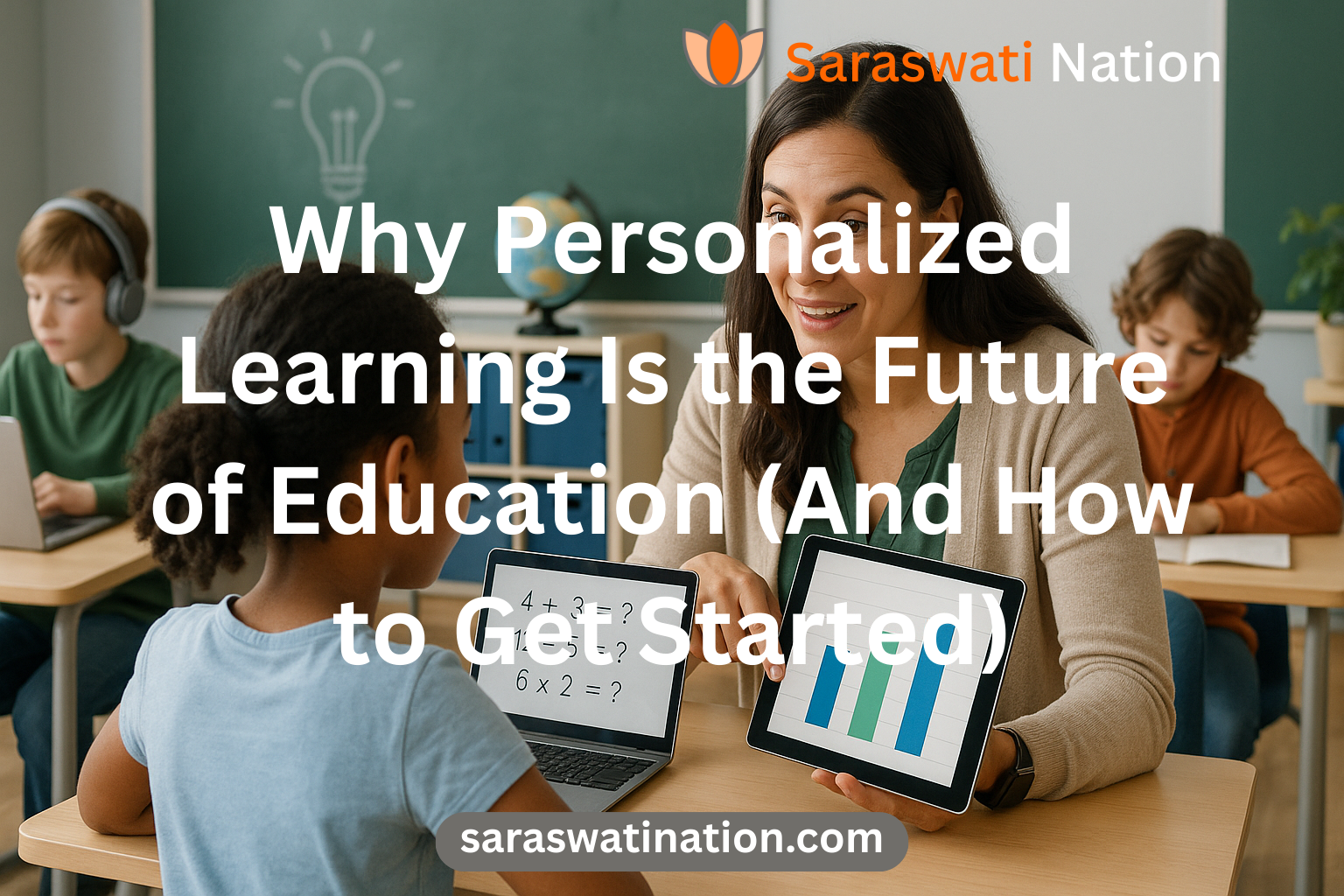
The education landscape is shifting faster than ever. From AI‑driven analytics to immersive AR/VR classrooms, technology is giving schools the tools to treat every learner as an individual rather than a statistic. For parents of secondary‑school students and for the students themselves—whether they are preparing for high‑school finals, college entrance exams, or university coursework—personalized learning promises higher grades, deeper engagement, and a clearer pathway to future success.
In this article we’ll explore why personalized learning is rapidly becoming the gold standard in education, examine the concrete benefits for students and families, and lay out a practical, step‑by‑step roadmap for schools, tutors, and parents who want to adopt a personalized approach today.
1. What Is Personalized Learning?
Personalized learning (sometimes called student‑centered or adaptive learning) is an instructional model that tailors content, pacing, and assessment to each learner’s unique strengths, gaps, interests, and goals. It relies on three core pillars:
- Data‑informed diagnostics – Continuous collection of performance data (quiz scores, time‑on‑task, learning style preferences).
- Adaptive delivery – Algorithms or teacher‑curated pathways that adjust difficulty, format, and sequencing in real time.
- Learner agency – Students choose resources, set milestones, and receive instant feedback, fostering ownership of their own progress.
When these elements work together, the learning experience shifts from “one size fits all” to a dynamic, responsive journey that evolves with the student.
2. The Tangible Benefits
| Benefit | Why It Matters for Parents & Students |
|---|---|
| Higher academic performance | Studies from the RAND Corporation and the Bill & Melinda Gates Foundation show that students in personalized programs score 10‑20 % higher on standardized tests. |
| Increased engagement & motivation | When lessons align with personal interests, dropout rates drop and homework completion rises dramatically. |
| Equity and inclusion | Adaptive tools automatically provide extra scaffolding for struggling learners while offering enrichment for advanced students, narrowing achievement gaps. |
| Future‑ready skills | Critical thinking, self‑directed learning, and digital fluency are cultivated—skills that colleges and employers prize. |
| Better use of parental time | Real‑time dashboards let parents see exactly where help is needed, reducing endless “what’s wrong?” conversations. |
3. How Technology Makes Personalization Possible
| Technology | Role in Personalized Learning |
|---|---|
| Artificial Intelligence (AI) & Machine Learning | Analyzes patterns in quiz responses to predict the next concept a student is ready to master. |
| Learning Management Systems (LMS) with Adaptive Engines | Platforms like Canvas, Moodle, and DreamBox automatically adjust lesson paths based on performance data. |
| Learning Analytics Dashboards | Provide teachers, parents, and students with visual snapshots of progress, mastery, and time‑on‑task. |
| Content Libraries & Micro‑learning | Short, modular videos, quizzes, and interactive simulations let students jump straight to the topics they need. |
| Mobile & Cloud Access | Learning happens anytime, anywhere—ideal for after‑school tutoring or weekend study sessions. |
Together, these tools create a seamless ecosystem where data flows from the student, through the platform, back to the teacher, and finally to the parent—all in real time.
4. Getting Started: A Practical Roadmap
Step 1 – Conduct a Needs Assessment
- Survey students, parents, and teachers about current pain points (e.g., “Too much homework,” “Not enough challenge”).
- Identify subjects or units where performance gaps are widest (often math, science, or language arts).
Step 2 – Choose the Right Platform
- Look for AI‑driven adaptive engines, robust analytics, and mobile compatibility.
- Popular options for secondary‑school and college prep include Knewton, Smart Sparrow, Khan Academy, and Saraswati’s own adaptive suite (available in our shop).
Step 3 – Train Educators & Tutors
- Provide short professional‑development workshops on interpreting analytics and designing micro‑learning modules.
- Encourage a blended approach: teachers set the learning objectives; the platform handles the day‑to‑day adaptation.
Step 4 – Build a Data‑Collection Framework
- Start with baseline assessments (diagnostic quizzes) to establish each student’s starting point.
- Ensure compliance with GDPR and local privacy laws—store data securely and obtain parental consent.
Step 5 – Pilot with a Small Cohort
- Select a single grade or subject to test the workflow.
- Track key metrics: quiz scores, time‑on‑task, student satisfaction, and parent feedback.
Step 6 – Analyze, Refine, and Scale
- Use the pilot data to fine‑tune algorithms, adjust content difficulty, and improve teacher dashboards.
- Roll out the system school‑wide or across tutoring programs once confidence is built.
5. Overcoming Common Challenges
| Challenge | Solution |
|---|---|
| Privacy concerns | Use platforms with end‑to‑end encryption, anonymized analytics, and clear consent forms. |
| Initial cost | Start with a subscription‑based model; many vendors offer tiered pricing for schools and families. |
| Teacher resistance | Highlight how personalization reduces grading workload and improves student outcomes; involve teachers in platform selection. |
| Technology infrastructure | Leverage cloud‑based solutions that run on low‑spec devices; ensure reliable Wi‑Fi in classrooms and at home. |
| Ensuring equity | Pair adaptive software with human tutoring for students who need additional support, guaranteeing no one falls through the cracks. |
6. Real‑World Success Stories
| Institution / Program | Implementation Highlights | Outcomes |
|---|---|---|
| Midwest Charter High School (USA) | Integrated an AI‑adaptive math platform for 9th‑12th graders. | 18 % increase in AP Calculus pass rate; 30 % reduction in homework complaints. |
| London Private Tutoring Hub | Used personalized lesson plans for GCSE English and Biology. | Average student grade rose from B‑ to A‑, and parental satisfaction scores jumped from 3.8 to 4.7/5. |
| University of Copenhagen – Introductory Physics | Blended adaptive quizzes with in‑person labs. | Drop‑out rate fell from 12 % to 4 % and average exam scores improved by 1.5 grade points. |
| Saraswati Online Academy (our own pilots) | Combined micro‑learning videos with AI‑driven practice tests for SAT/ACT prep. | Students saw an average score increase of 120 points on the SAT. |
These examples illustrate that personalized learning works across contexts—from public schools to private tutoring centers and higher education.
7. Choosing the Right Provider
When evaluating vendors, keep these criteria in mind:
- Proven efficacy – Look for peer‑reviewed studies or case studies showing measurable gains.
- Scalability – The platform should handle anything from a single classroom to an entire district.
- Ease of integration – Compatibility with existing LMS, Google Workspace, or Microsoft Teams is essential.
- Support & Training – Responsive customer service and on‑boarding resources reduce implementation friction.
- Pricing transparency – Fixed per‑student or per‑seat pricing helps you forecast budgets accurately.
Our own Saraswati Adaptive Learning Suite meets all these standards and is available for purchase in our online shop.
8. The Added Value of a Virtual Personal Assistant
Even with a sophisticated adaptive platform, coordinating schedules, monitoring progress, and handling routine admin can still consume valuable time. A Virtual Personal Assistant (VPA) can:
- Schedule tutoring sessions and platform check‑ins.
- Send automated progress reports to parents and teachers.
- Organize learning resources in a centralized cloud folder.
- Manage billing and renewal reminders for subscription‑based tools.
Pairing a VPA with personalized learning creates a frictionless ecosystem that maximizes both academic outcomes and operational efficiency.
Conclusion – Take the First Step Today
Personalized learning isn’t a distant vision; it’s a proven, data‑driven approach that lifts grades, boosts motivation, and prepares students for the demands of tomorrow’s workforce. By adopting adaptive technology, training educators, and leveraging the support of a virtual personal assistant, you can transform the educational experience for every learner in your household or institution.
Ready to get started? Explore our curated online courses and adaptive learning tools in the shop:
Shop: https://saraswatination.com/shop/
If you have questions, need a custom implementation plan, or want to discuss how personalized learning can fit your child’s unique needs, contact us today:
Contact: https://saraswatination.com/contact/
Empower your student with a learning journey that adapts, engages, and succeeds—because every mind deserves a personalized path.

You may also like
The Parent’s Guide to Monitoring Online Learning Progress Safely