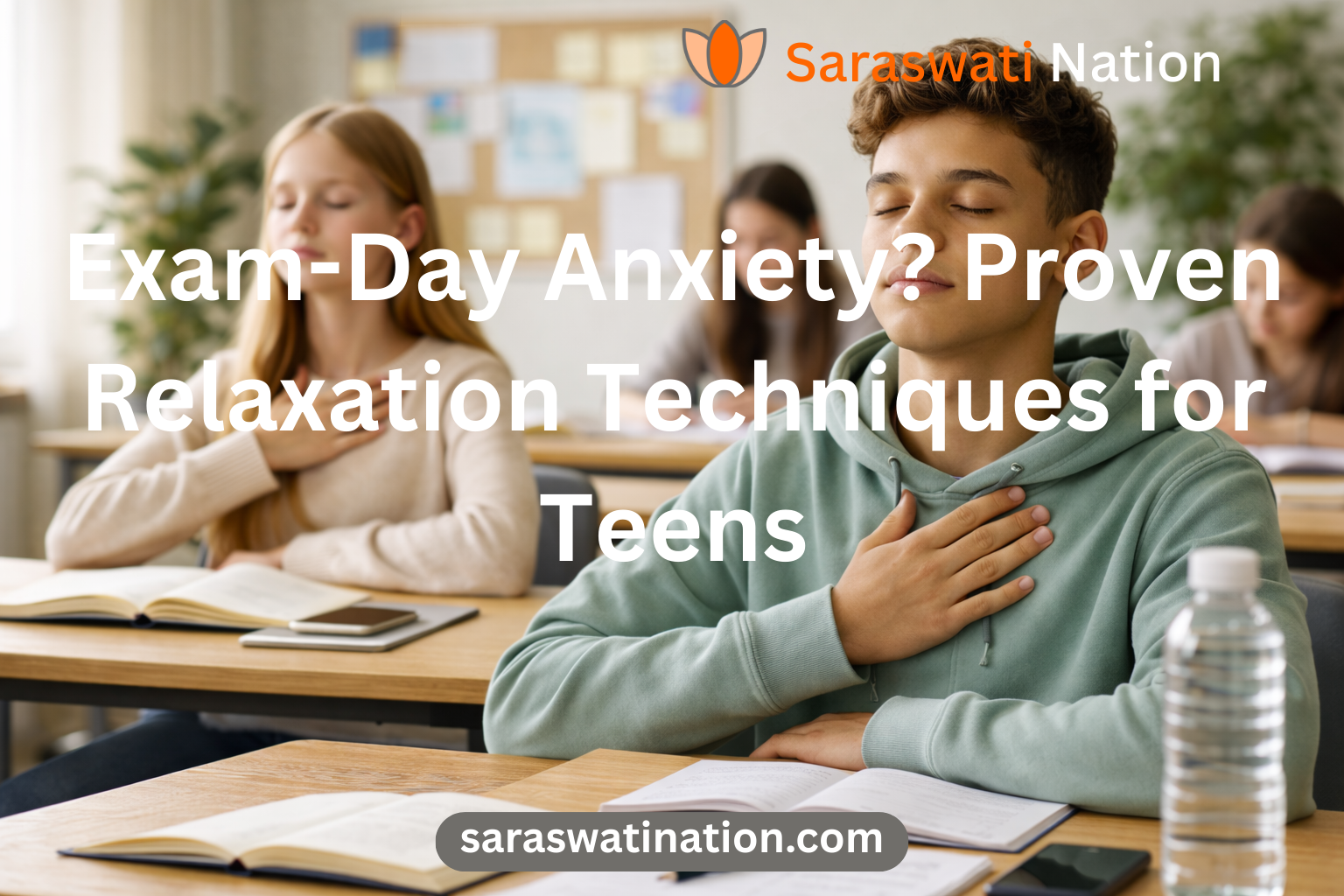
Exam‑Day Anxiety? Proven Relaxation Techniques for Teens
Evidence‑based strategies to calm nerves, sharpen focus, and boost performance on test day.
1. Understanding Exam‑Day Anxiety
Exam anxiety is a physiological stress response that triggers the “fight‑or‑flight” system. Common symptoms include rapid heartbeat, shallow breathing, sweaty palms, racing thoughts, and difficulty concentrating. While a moderate amount of stress can motivate study, excessive anxiety impairs memory retrieval, slows processing speed, and reduces confidence.
SEO‑friendly keywords: exam anxiety relief, teen stress management, test‑day relaxation, coping strategies for exams, anxiety reduction techniques, mindfulness for students, high‑school exam preparation, college test anxiety, secondary‑school stress relief.
2. Preparing the Night Before
| Action | Why It Works | Practical Tips |
|---|---|---|
| Sleep Hygiene | Consolidates memory and regulates cortisol. | Aim for 7‑9 hours, avoid screens 30 min before bed, keep bedroom cool and dark. |
| Light Review | Reinforces neural pathways without overstimulation. | Use flashcards or a one‑page summary; avoid new material. |
| Pack Essentials | Reduces morning scramble and mental load. | Checklist: pens, pencils, calculator, ID, water bottle, snack, any allowed reference sheets. |
| Visualization | Programs the brain for a calm performance. | Spend 5 minutes picturing yourself entering the exam room, sitting confidently, answering questions correctly. |
3. Morning‑Day Rituals
- Hydration – Drink a glass of water upon waking; dehydration can worsen anxiety.
- Balanced Breakfast – Protein + complex carbs (e.g., Greek yogurt with berries, oatmeal with nuts) stabilises blood sugar.
- Breathing Reset – 4‑7‑8 technique: inhale 4 sec, hold 7 sec, exhale 8 sec; repeat four cycles.
- Micro‑Movement – Gentle stretches or a 2‑minute walk to release tension and increase oxygen flow.
4. In‑Exam Relaxation Techniques
4.1 Box Breathing (Square Breath)
- Inhale for 4 seconds.
- Hold breath for 4 seconds.
- Exhale for 4 seconds.
- Hold again for 4 seconds.
Repeat 3‑5 times. This balances the autonomic nervous system and steadies heart rate.
4.2 Progressive Muscle Relaxation (PMR)
Starting at the toes, tense each muscle group for 5 seconds, then release for 10 seconds. Move upward through calves, thighs, abdomen, chest, arms, neck, and face. Doing PMR discreetly at your desk can dissolve physical tension that fuels mental stress.
4.3 Grounding “5‑4‑3‑2‑1” Technique
- 5 things you can see.
- 4 things you can touch.
- 3 sounds you hear.
- 2 smells you detect.
- 1 taste in your mouth.
Grounding pulls attention away from catastrophic thoughts and anchors you in the present moment.
4.4 Positive Self‑Talk Scripts
Replace “I can’t do this” with statements like:
- “I prepared well and I’m ready.”
- “I control my breathing, I control my mind.”
- “One question at a time; I’ll solve each step.”
Write these affirmations on a sticky note and place it on your exam booklet.
4.5 Strategic Time Management
- Scan the paper (5 min) – gauge difficulty, allocate minutes per section.
- Answer easy questions first – builds momentum and confidence.
- Mark tough items – return later with fresh eyes.
5. Post‑Exam Recovery
- Cool‑down breathing – 3 rounds of 4‑7‑8 to transition out of heightened arousal.
- Reflect, don’t ruminate – Jot down what worked and what could improve; avoid replaying mistakes.
- Reward yourself – A short walk, a favorite snack, or a brief gaming session reinforces positive coping.
6. When to Seek Professional Help
If anxiety persists beyond the exam period, interferes with sleep, appetite, or daily functioning, consider:
- Talking to a school counselor or psychologist.
- Exploring Cognitive‑Behavioral Therapy (CBT) for anxiety.
- Consulting a pediatrician about possible medication adjuncts.
Early intervention prevents chronic stress and supports long‑term academic success.
7. Integrating Technology Wisely
- Guided meditation apps (Headspace, Calm) – 5‑minute “Exam Calm” sessions.
- White‑noise or binaural beats – Reduce ambient distractions during study blocks.
- Timer apps – Pomodoro intervals (25 min focus, 5 min break) improve concentration without burnout.
Avoid multitasking on phones during the exam; keep devices on silent and stored away.
8. Building a Long‑Term Resilience Toolkit
- Routine mindfulness practice – 10 minutes daily, gradually increasing duration.
- Physical activity – Aerobic exercise (running, swimming) releases endorphins and lowers baseline anxiety.
- Balanced nutrition – Omega‑3 fatty acids (salmon, walnuts) support brain health and mood regulation.
- Sleep consistency – Same bedtime/wake‑time even on weekends.
These habits create a physiological foundation that makes exam‑day anxiety easier to manage.
Take Action Today
Our online courses combine neuroscience‑backed stress‑management techniques with interactive exercises tailored for secondary‑school students, high‑school seniors, and university learners. Each module includes video lessons, guided meditations, practice worksheets, and a community forum for peer support.
- Explore the full catalog: https://saraswatination.com/shop/
- Need a personalized plan? Contact us now and we’ll help you design a stress‑reduction strategy that fits your schedule and goals: https://saraswatination.com/contact/
Give your teen the tools to conquer exam anxiety, boost confidence, and achieve their academic potential.

You may also like
The Parent’s Guide to Monitoring Online Learning Progress Safely